Decoding Ambedkar: Ideas of Nation and Nation Building
In Decoding Ambedkar, Prof. Vivek Kumar re-examines Dr. B.R. Ambedkar’s vast intellectual contributions, challenging his reductive portrayal in Indian academia and media.
Asian American / Asian Research Institute
The City University of New York
In Decoding Ambedkar, Prof. Vivek Kumar re-examines Dr. B.R. Ambedkar’s vast intellectual contributions, challenging his reductive portrayal in Indian academia and media.
Co-editors Nicholas D. Hartlep, Terrell L. Strayhorn, and Fred A. Bonner II will present on Belonging in Higher Education: Perspectives and Lessons from Diverse Faculty (Routledge, 2024), a new book that illuminates autoethnographic stories of belonging in higher education in the United States.
In Disciplinary Futures, edited by Nadia Y. Kim and Pawan Dhingra, a cross-section of scholars comes together to engage sociology and the social sciences by way of these paradigms, particularly from the influence of disciplines of American, Ethnic, and Indigenous Studies.
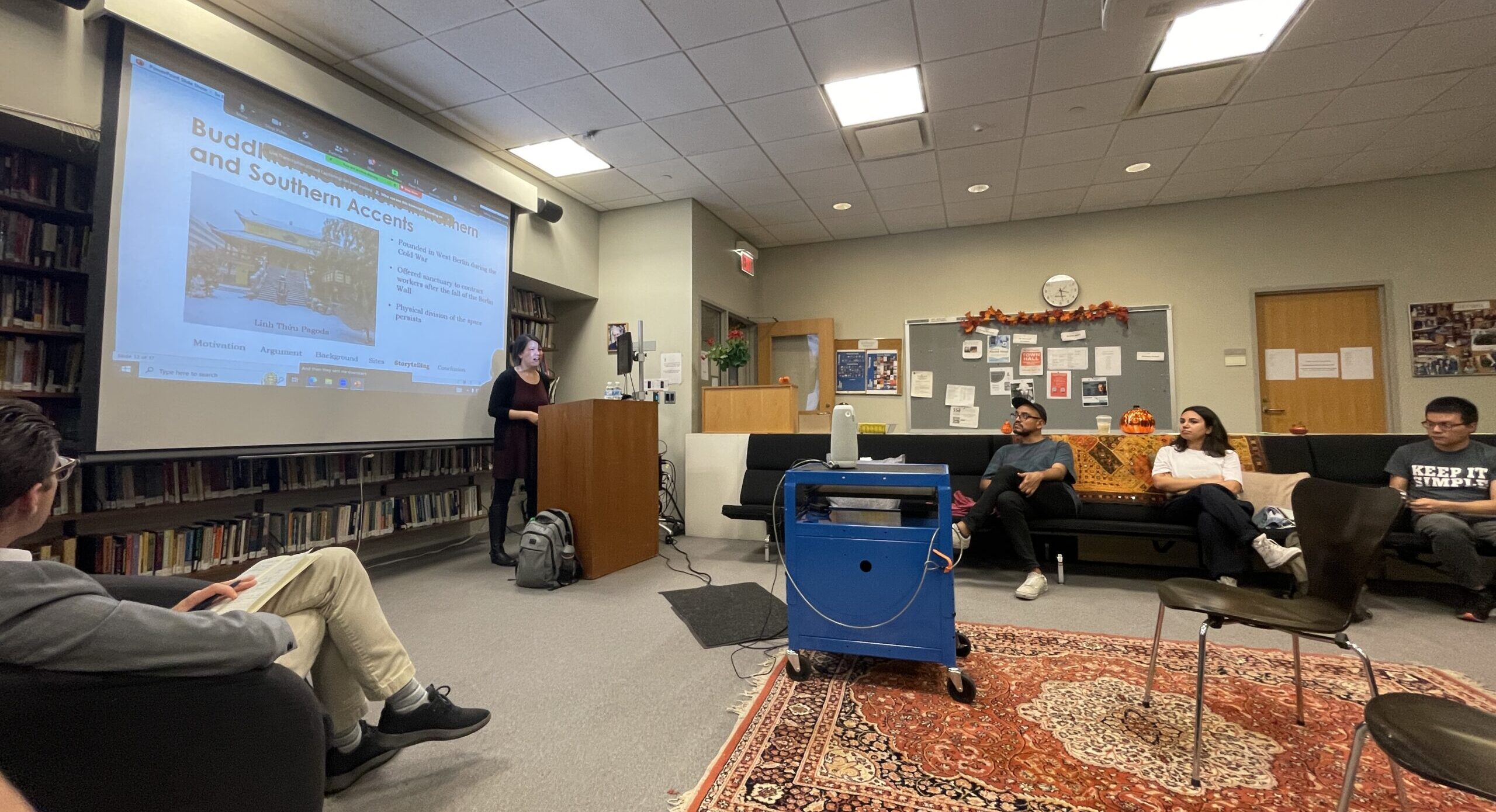
“The Border Within” paints a vivid portrait of these disparate Vietnamese migrants’ encounters with each other in the post-socialist city of Berlin. This book uncovers how 20th-century state formation and international migration—together, border crossings—generate enduring migrant classifications. In doing so, border crossings fracture shared ethnic, national, and religious identities in enduring ways.
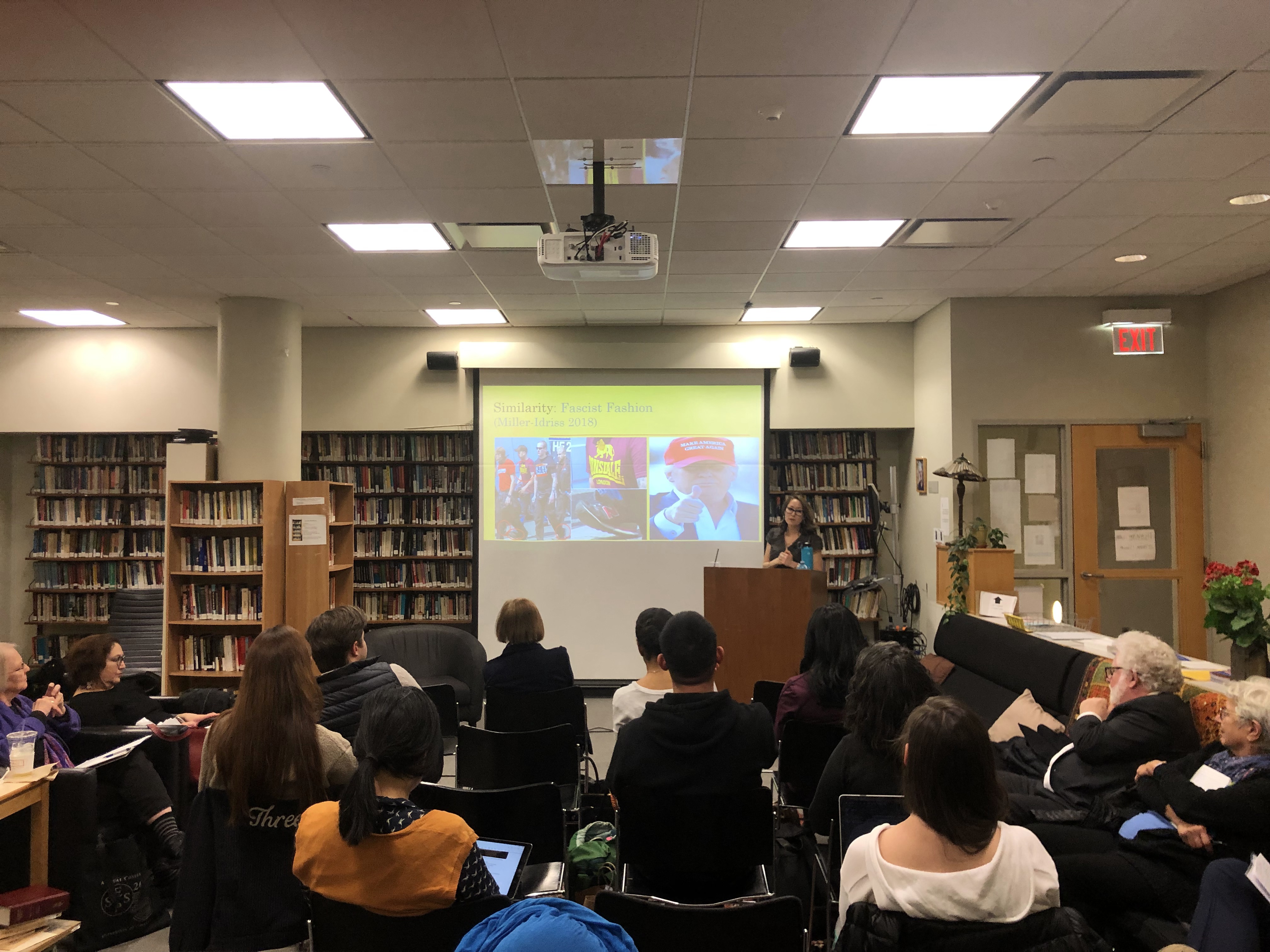
This talk will address how US racism pivots as much on nativist injustices – suffered mostly by Latinx, Asian American Pacific Islander (AAPI), and Middle Eastern ethnics – as it does on injustices specific to Black Americans. Prof. Nadia Kim evidences the point by way of research on Latinx and AAPI immigrant activism, as well as an analysis of the rise of Donald Trump. Although sociology has certainly given a nod to nativistic racism, mostly in relation to the Latinx population, its core theories, frameworks, and methodologies have not centered “the citizenship line”; as such, it has not defined sociology the way the color line has. Yet, the racialized insider/outsider axis has long separated “us white Americans” from the brown brother, terrorist, war-time enemy, socioeconomic threat (e.g., academic threat), exotic seductress, anchor-baby maker, and maternity tourist. As this list of representations reveals, gender, class, and the body are also interrelated with race, and all are vital to the remaking of citizenship by the mostly Mexican and Filipin@ immigrant activists whom Prof. Kim studies in Los Angeles. Not only would a citizenship-centered sociology best grasp their efforts and the implications thereof, but, in my view, would have also predicted the arrival of the Trump era, the other focus of her talk.