Humanistic Buddhism: Applications to Modern Life and Social Issues
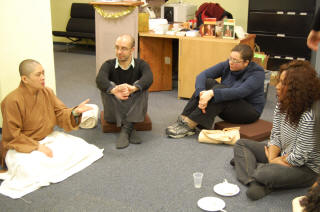
In addition to discussing fundamental concepts of Buddhism and the history of the Humanistic Buddhist movement, this course will examine both Humanistic Buddhist philosophy and praxis, exploring ways in which Humanistic Buddhist principles can be applied in the modern West. Reading materials will include actual Buddhist sutras as well as secondary sources.
Read more

Tibetan Studies in China: Culture & Buddhism

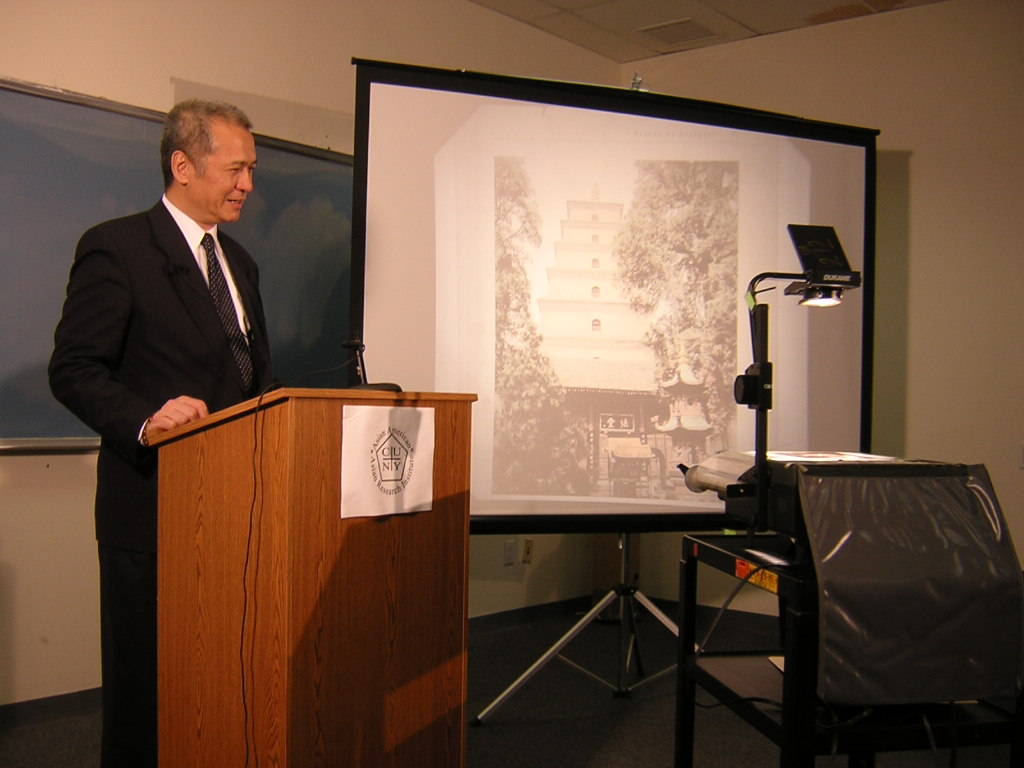
Professors from the China Tibetology Research Center in Beijing, will share their research on various aspects of Tibetan culture and Buddhism: Du Yongbin – Tibetan Studies in Contemporary China: The Styles and Characteristics Tibetan studies is a discipline both about geography and society of Tibetan areas, and about history and today of the Tibetans. China … Read more

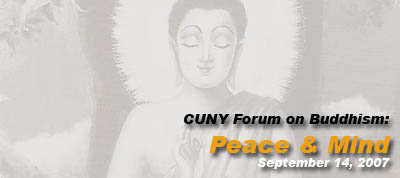
Forum on Buddhism: Peace & Mind

This event explored the practice of contemporary Buddhism through discussions on altruism, culture, meditation, and key Buddhist doctrines, featuring insights from revered monks and CUNY faculty. Participants engaged with themes of inner peace, wisdom, and the cessation of suffering.

Read more

Introduction to Yogacara Buddhism: Asanga, Vasubandhu and Hsuan-Tsang

Hsuan Tsang, the famous Chinese monk from the Tang dynasty, traveled from China to India to learn Yogacara Buddhism. He crossed deserts, mountains, rivers and spent eighteen years before his triumphant return to his country and began the daunting task of translating the sutras and commentaries that he brought back. One of the most important … Read more

Introduction To Nagarjuna’s Middle View of Buddhism

Nagarjuna is generally recognized as the founding father of Mahajuna Buddhism. Based on his work “Mulamadhyamika Karika,” the discussion will focus on the original contribution of the Buddha, and Nagarjuna’s elaboration of the middle way, and the relationship between Pratityasmautpada (inter-relatedness of everything) and Sunyata (emptiness). Online Notes